Short Answer: Lab Grown Diamonds Are Not a Resale Investment
Lab grown diamonds are real diamonds, but they usually should not be purchased with resale value as the main goal. In the current market, the resale demand for lab grown diamonds is more limited than the market for natural diamonds, and buyers can often compare a pre-owned lab diamond against newly available stones with grading reports.
That makes resale difficult. It does not make lab grown diamonds a poor choice. It means their value is usually realized at the time of purchase: a larger visual size, a higher color or clarity range, or a more detailed custom setting within a realistic budget.
If you are deciding between lab grown diamonds and natural diamonds, the better question is not only “Will it hold value?” The better question is: “What kind of value do I want from this jewelry?”
Why Lab Grown Diamonds Have Limited Resale Value
Lab grown diamonds are produced through controlled technology rather than geological formation. Because production capacity and growing methods continue to improve, new lab grown diamonds can enter the market at competitive prices. A pre-owned lab diamond must compete with those newly available stones.
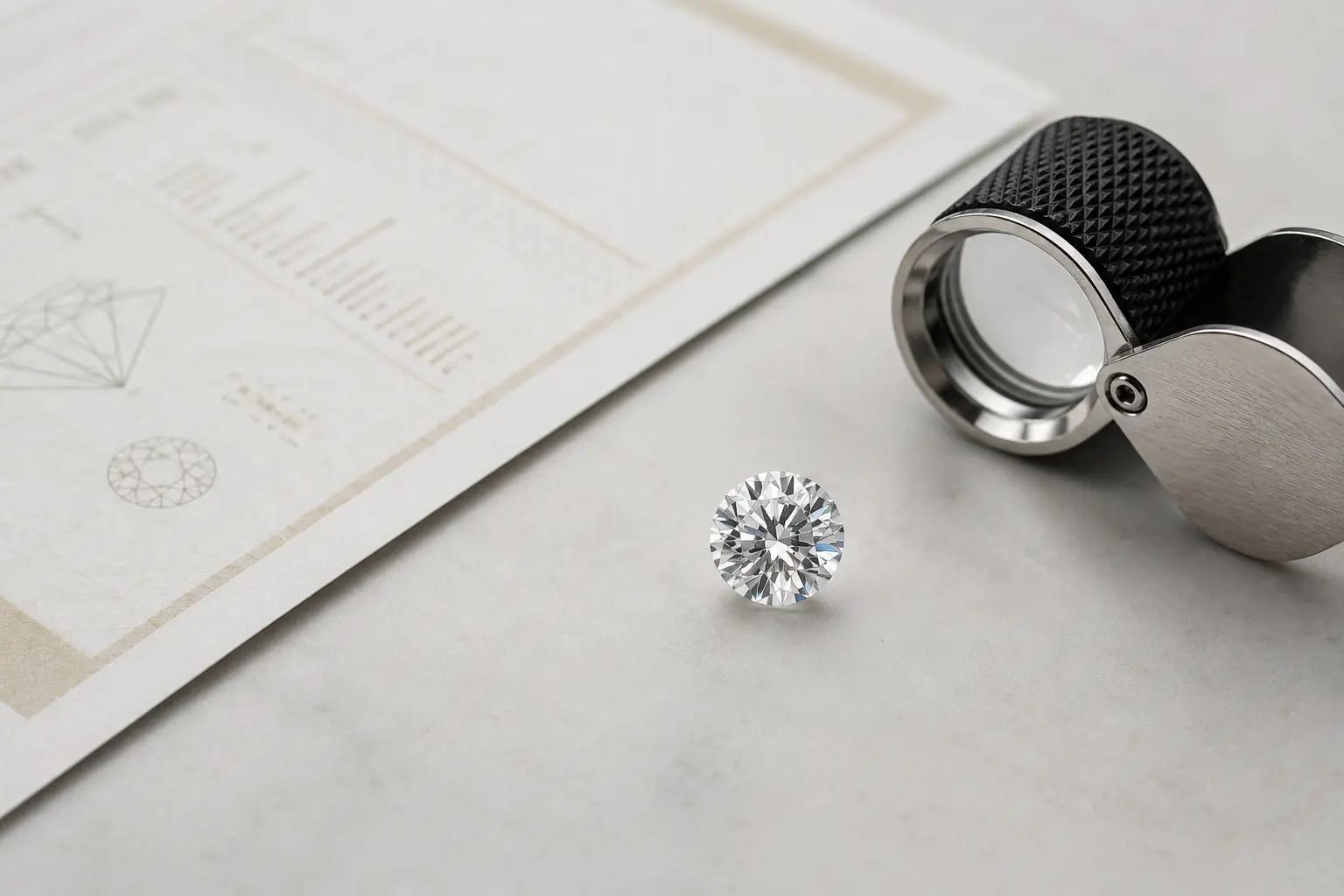
This is the main reason resale is limited. It is not because a lab grown diamond stops being beautiful. A well-cut lab diamond remains durable, brilliant, and suitable for daily wear. The resale challenge is economic: buyers have less reason to pay close to the original retail price when similar new stones may be available with current grading documentation.
Natural diamonds can perform better in resale because they are tied to a different supply story and a more established secondary market. Even so, most natural diamonds should not be treated as liquid investments. Jewelry resale depends on the stone, grading report, setting, buyer demand, selling channel, and timing.
What Value Lab Grown Diamonds Do Offer
The practical advantage of a lab grown diamond is upfront value. For many buyers, the same budget can support a larger center stone, a higher color grade, a cleaner clarity grade, or a more complex custom design than they could choose with a natural diamond.
That matters because jewelry is usually bought to be worn, not traded. An engagement ring is seen every day. A tennis bracelet moves with the wrist. A diamond necklace sits close to the face. If the piece is well designed, well made, and suited to the wearer, that daily value may matter more than a future resale scenario that may never happen.
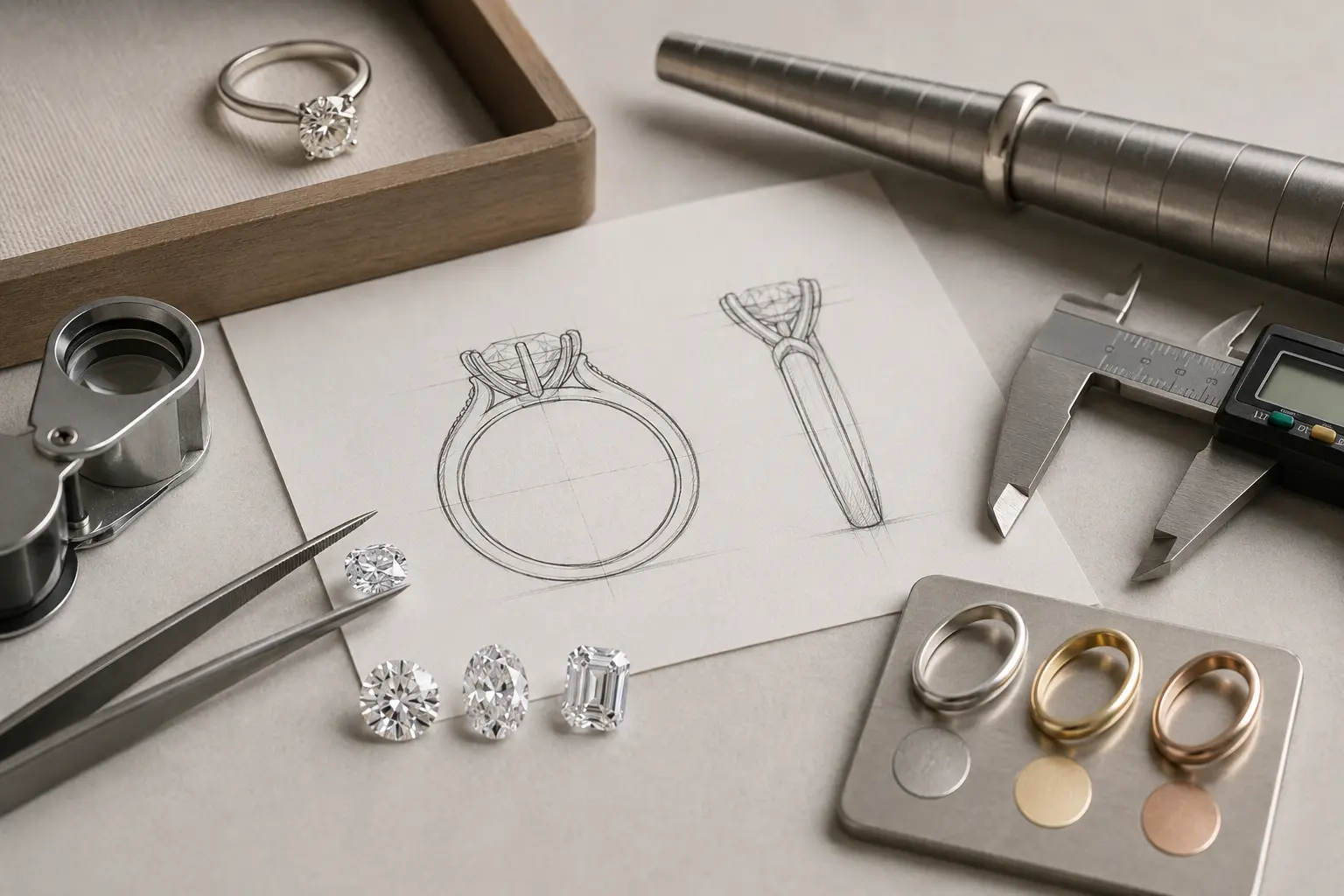
This is where lab grown diamonds can make sense for custom jewelry. The diamond budget can be balanced with the setting budget, so the finished piece feels complete rather than oversized in the stone and underbuilt in the mounting.
Carat weight per dollar is where that value shows up most clearly. We took a single price point apart in what actually fits inside a $999 diamond necklace.
When a Lab Grown Diamond Makes Sense
A lab grown diamond may be a strong choice if your priority is visual impact, design flexibility, and budget control. It can be especially useful when you want a larger center stone, a specific fancy shape, or a setting with accent diamonds without stretching the total budget too far.
Lab grown diamonds can work well for:
- Engagement rings where size, brilliance, and setting design are the main priorities.
- Anniversary rings or upgraded bands where the piece is meant to be worn rather than resold.
- Tennis bracelets and diamond necklaces where total diamond weight affects the look of the piece.
- Custom designs where the buyer wants more freedom in shape, proportion, and layout.
A natural diamond may be a better fit if rarity, long-term market recognition, or the origin story of a mined stone is important to you. If you are still deciding, a side-by-side lab-grown vs natural diamond comparison can help clarify the trade-off before you choose.
What to Check Before Buying a Lab Grown Diamond
1. Review the grading report
Ask for an independent grading report from a recognized laboratory. The report should identify the stone as laboratory-grown and describe the key quality factors, including carat weight, cut, color, clarity, measurements, and any relevant comments. A report does not guarantee resale value, but it helps you understand what you are buying.
2. Prioritize cut before size
A larger diamond is not automatically the better diamond. Cut quality affects brightness, fire, and overall life in the stone. If you are choosing between a larger stone with weaker proportions and a slightly smaller stone with better cut quality, the better-cut stone may look more balanced in the finished jewelry.
3. Choose the shape for the wearer, not just the trend
Round, oval, emerald, pear, cushion, radiant, and marquise diamonds each behave differently on the hand. Some shapes face up larger; some show inclusions or color more easily; some need more protective settings. Before choosing, compare the look and wearability of each diamond shape.
4. Balance the diamond with the setting
The setting affects durability and style as much as the stone. A solitaire keeps attention on the center diamond. A hidden halo adds sparkle from the side. A three-stone design gives more symbolism and finger coverage. For daily wear, prong strength, band width, and metal choice should not be treated as afterthoughts.
5. Be careful with broad sustainability claims
Some buyers prefer lab grown diamonds because they are grown in a lab rather than mined. That can be a valid personal preference. However, broad claims about sustainability, energy use, or ethical superiority should be supported by specific supplier information. If those details matter to you, ask direct questions before purchasing.
How Redora Approaches Custom Lab Diamond Jewelry
For a custom piece, Redora’s role is to help you compare the trade-offs before production begins. A good custom process should not start with pushing the largest possible stone. It should start with the wearer, the budget, the intended style, and the level of daily wear the piece needs to handle.
A practical custom process usually includes:
- Clarifying the budget, jewelry type, and design direction.
- Comparing lab grown and natural diamond options when both are relevant.
- Reviewing stone specifications and grading information.
- Choosing a setting style, metal, and proportions that support the stone.
- Reviewing design details before manufacturing begins.
- Checking the finished piece for setting security, finish, and overall balance.
If you are planning custom jewelry and want to compare lab grown and natural options for your design, you can start a custom jewelry inquiry with Redora’s team.
How to Think About Long-Term Ownership
A lab grown diamond can remain beautiful for decades, but that does not mean its resale price will behave like a scarce asset. The better ownership mindset is simple: buy it because you want the piece, not because you expect the diamond to act like an investment.
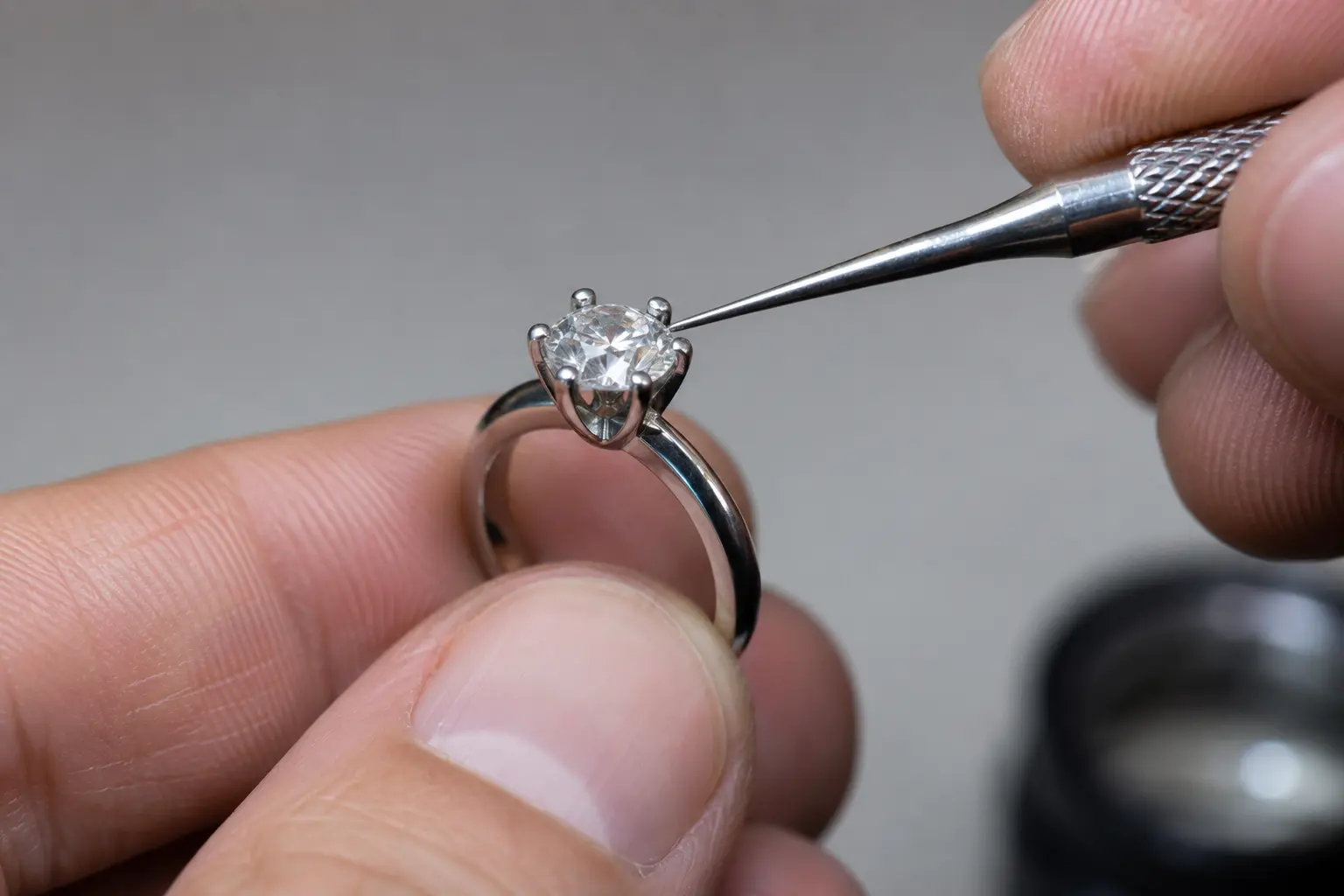
Care also matters. Diamonds are hard, but settings still need attention. Clean the jewelry gently with warm water, mild soap, and a soft brush. Avoid wearing fine jewelry during heavy impact activities. Have prongs and settings checked periodically, especially for rings worn every day.
For bracelets and necklaces, pay attention to clasps, links, and stone security. In many pieces, the craftsmanship of the setting is just as important as the diamonds themselves.
The Honest Takeaway
Lab grown diamonds usually do not hold resale value in the same way buyers might hope. If resale is your primary concern, a lab grown diamond is probably not the right purchase.
If your goal is a beautiful, durable diamond jewelry piece with stronger visual value for the budget, a lab grown diamond can be a thoughtful choice. The key is to buy with the right expectation: the value is in the design, the daily wear, the craftsmanship, and the personal meaning of the piece.
About the Author and Review Process
Edwin Lin is the founder of Redora Jewels, a factory-direct fine jewelry manufacturer based in Shenzhen with on-site production and hands-on gemology oversight. He works with the production team on stone selection and the cost structure behind a finished piece, which is where the difference between lab grown and natural diamonds actually shows up for a buyer.
This guide is written for buyers comparing lab grown and natural diamonds before committing to a custom jewelry purchase. Redora manufactures pieces with both, which is stated openly so the guidance can be judged on whether the reasoning holds up rather than on who wrote it.
More from Redora: all jewelry buying guides